

Why Your Skin Ages Faster Than You Think And What You Can Do About It
Keeping aside your genetics, your skin can age faster if you eat an unhealthy diet, smoke, drink too much, don’t exercise, and get too much UV exposure. Fortunately, with lifestyle changes and mindful use of certain supplements, you can slow down the ageing process, or even reverse some of the symptoms of skin ageing.
What Is Skin Ageing?
Skin ageing is a process, rather than an event. When we age, our skin gradually loses its elasticity and firmness. Common signs of skin ageing include the appearance of fine lines and wrinkles, dark spots, and dryness.
These signs typically appear in the mid 20’s. During this period, our body starts producing less collagen than before, leading to the common signs of skin ageing. As the years pass by, these signs become more prominent, especially if we don’t take care of our skin and other lifestyle factors.
Mechanism of Skin Ageing
Skin ageing is a complex process. It involves an interplay between several factors that are broadly categorised into:
Intrinsic factors
These include the passage of time (ageing), genetics, hormonal changes, chronic inflammation, and changes in the immune system. (1)
Related: Chronic Inflammation Is Widespread In the UK. Here’s What You Can Do to Keep It At Bay
As the cells become older and less capable at repairing damages, collagen and elastin production drops. Besides, collagen breakdown happens more rapidly. All these contribute to the formation of fine lines and wrinkles.
Ageing skin is also more likely to be dry, as the oil glands produce less oil, which keeps the skin hydrated. Dryness can make fine lines and wrinkles more visible.
Also Read: Hydration for Health: Why Drinking Enough Water Daily Is More Important Than You Might Think
Hormone-related skin ageing is more noticeable in women. For example, menopausal and perimenopausal women sagging skin due to declining estrogen levels.
Further Reading: Perimenopause and Your Body: The Changes No One Tells You About And How Nutrition Can Help
Our family history, which is non-modifiable, has a profound impact on how our skin ages. Studies show that people with a family history of longevity often have slower skin ageing.
Extrinsic factors
These are external factors that can contribute to or worsen the signs of skin ageing. For instance, stress is an external factor that can contribute to skin ageing by increasing chronic inflammation, which is an intrinsic factor.
Extrinsic factors include UV exposure, diet, sleep, stress, sleep, pollution, smoking, alcohol use, and exercise.
What Is Premature Skin Ageing?
Premature skin ageing is when our skin ages earlier than it normally does. The extrinsic factors are the major culprits of early skin ageing.
Anecdotally, about 80% of facial ageing is thought to occur due to UV exposure and unhealthy lifestyle habits, including cigarette smoking. (2)
Top 6 Contributors to Premature Skin Ageing
Fortunately, you can control all these factors at any time you want.
1. Sunlight and skin ageing
UV exposure accelerates skin ageing, which is known as photoageing. Prolonged UV exposure can also increase the risk of skin cancer.
Signs of photoageing can appear in the early 20s and include spider veins, fine lines, worry lines on the forehead, freckles, and thinning skin.
2. Diet and skin ageing
It’s no exaggeration to say that what you eat shows on your skin. The impact of diet on skin may not be instant but will surely show up over the years.
Studies have consistently shown that nutritional levels and dietary habits have a certain degree of impact on skin ageing. (3)
Minerals like iron, iodine, zinc, and copper are closely linked to skin immunity and inflammation. Vitamins, particularly, C and E have potent antioxidant properties with proven benefits in helping prevent UV-induced skin damage. Likewise, enough daily protein intake is crucial for normal skin cell renewal and repair.
In addition to specific nutrients, dietary patterns also affect skin health. For example, a high-fat diet can delay skin healing by increasing oxidative stress and inflammation. Likewise, processed foods, typically high in trans fats and refined carbs and salt, can increase inflammation and impair skin barrier function. (4)
Also Read: How food processing starves our bodies of nutrients, leaving us feeling run down and tired
3. Smoking, alcohol, and skin ageing
Smoking and drinking too much alcohol are bad for your general and skin health.
Cigarette smoking has been associated with a higher risk of crow’s feet, undereye puffiness, laugh lines, lip wrinkles, and forehead lines. (5)
Likewise, excessive alcohol use is associated with the appearance of upper facial lines, undereye puffiness, oral commissures, and midface volume loss.
Further Reading: How Does Alcohol Affect Vitamin Absorption And Energy?
4. Sleep and skin ageing
Sleep is often the most neglected but likely the most important factor for skin health. Sleep protects our body against ageing by decreasing inflammation, regulating hormone balance, repairing DNA damage, and reducing oxidative stress. (6)
When we don’t get enough sleep, all these processes are disrupted, and the effects show on our skin. According to a study, good sleepers (7 to 9 hours of each day) have significantly lower intrinsic skin ageing and greater skin repair. (7)
Good sleepers also have a better subjective perception of their appearance and attractiveness.
5. Pollution and skin ageing
Air pollution is a global health hazard with significant impact on skin health and ageing. Long-term exposure to air pollutants can cause DNA and protein damage, leading to: (8)
- Impaired barrier function
- Pigment spots
- Wrinkles
- Increased dryness
Similarly, air pollution-induced inflammation can alter skin microbiome, potentially leading to accelerated skin ageing.
6. Stress and skin ageing
When we are stressed, our body releases two hormones: cortisol and adrenaline. Both hormones can enhance water loss from the skin and weaken the skin barrier.
Besides, long-term stress can damage DNA and impair the skin’s antioxidant barrier and physical barrier. Ultimately, these effects can lead to the appearance of wrinkles and fine lines. (9)
How to Slow Skin Ageing
Now that you have known the contributors to premature skin ageing, it’s time to take action.
1. Use sunscreen
Apply sunscreen with SPF 30 and UVA 4‐star protection, especially during the months of March to October. Use it everyday, when outdoors, and even when the sky is cloudy. Make sure the sunscreen product protects against both UVA and UVB.
2. Eat a healthy diet
Eat a healthy diet rich in fruits, vegetables, legumes, and whole grains, and lean proteins. Limit the intake of ultra-processed foods. You may enjoy them occasionally.
Related: Why Leafy and Green Vegetables Should Be on Every Plate
3. Quit smoking and drink in moderation
If you don’t smoke, don’t start. If you do, quit or cut down. You may find it hard to quit smoking, especially if you have been smoking heavily or for prolonged periods. Talk to your doctor to find what works best for you. You can also find help HERE.
Consume no more than14 units of alcohol per week. To learn more, click HERE.
4. Get enough daily sleep
According to the NHS, healthy adults should sleep for 7 to 9 hours each night. Besides skin health, quality sleep is also crucial for reducing stress and chronic inflammation and supporting a healthy immune response.
Need help for dealing with sleep problems? Click HERE.
5. Manage stress
Stress is inevitable but manageable. In fact, short bursts of stress are protective and necessary for survival. However, when stress lingers for longer than it should, it can harm every aspect of health and well-being.
We have an entire article about stress, its effects on the body, and how you can regain control
6. Exercise regularly
Both aerobic and strength training can significantly improve the signs of skin ageing. They help maintain skin elasticity and thickness, which tend to decrease with ageing. Exercise also helps reduce inflammatory substances in the bloodstream.
Bonus point: After the age of 40, men and women who exercise regularly may have their skin features similar to those in their 30s.
7. Follow a daily skincare routine
The daily skincare routine is simple, nothing fancy, but highly effective. Here are the steps:
- Cleanse gently with a mild cleanser once (or twice) daily.
- Use a fragrance-free moisturiser when your skin becomes dry.
- Use sunscreen (non-negotiable).
- Add antioxidants such as vitamin C after consulting with your dermatologist.
- Exfoliate to remove dead cells. Chemical exfoliation may be superior to physical exfoliation for anti-ageing benefits.
Use an Oral Collagen Supplement to Support Your Skin Health
Decreased collagen and elastin production is the main feature of premature skin ageing. It’s also the reason your skin has fine lines, feels dry, and looks dull. Collagen type I is critical for skin structure, making 80% to 85% of skin matrix.
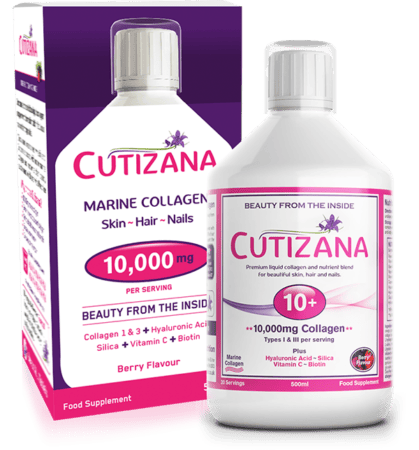
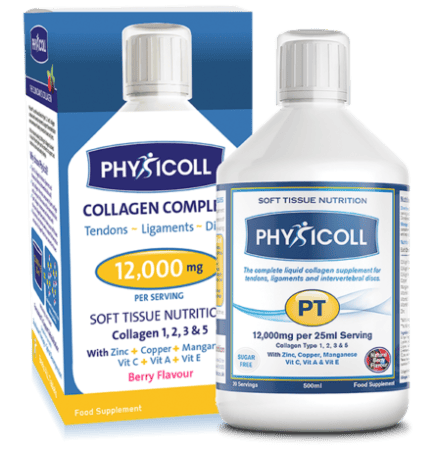
Collagen and elastin need amino acids as their building blocks. While your diet can be a great source, it might not always be enough. That’s when you need research-backed CUTIZANA and PHYSICOLL.
Each serving of CUTIZANA gives you 10,000 mg of premium marine collagen (types I & III), plus hyaluronic acid, biotin, amino acids, and more. Similarly, each serving of PHYSICOLL gives you 12,000mg of collagen. That’s more than anything you could get with tablets.
References:
- Hussein, Ramadan S et al. “Influences on Skin and Intrinsic Aging: Biological, Environmental, and Therapeutic Insights.” Journal of cosmetic dermatology vol. 24,2 (2025): e16688. doi:10.1111/jocd.16688
- Uitto, J. “Understanding premature skin aging.” The New England journal of medicine vol. 337,20 (1997): 1463-5. doi:10.1056/NEJM199711133372011
- Cao, Changwei et al. “Diet and Skin Aging-From the Perspective of Food Nutrition.” Nutrients vol. 12,3 870. 24 Mar. 2020, doi:10.3390/nu12030870
- Al-Khikani, F. H. O. (2026). The impact of a processed food-rich diet on skin inflammation. MGM Journal of Medical Sciences, 13(1), 178–179. https://doi.org/10.4103/mgmj.mgmj_318_25
- Goodman, Greg D et al. “Impact of Smoking and Alcohol Use on Facial Aging in Women: Results of a Large Multinational, Multiracial, Cross-sectional Survey.” The Journal of clinical and aesthetic dermatology vol. 12,8 (2019): 28-39.
- Guan, L., Mehra, R., Baron, E. (2017). Sleep and Aging Skin. In: Farage, M., Miller, K., Maibach, H. (eds) Textbook of Aging Skin. Springer, Berlin, Heidelberg. https://doi.org/10.1007/978-3-662-47398-6_155
- Oyetakin-White, P et al. “Does poor sleep quality affect skin ageing?.” Clinical and experimental dermatology vol. 40,1 (2015): 17-22. doi:10.1111/ced.12455
- Martic, Ines et al. “Effects of Air Pollution on Cellular Senescence and Skin Aging.” Cells vol. 11,14 2220. 17 Jul. 2022, doi:10.3390/cells11142220
- Pujos, M., Chamayou-Robert, C., Parat, M., Bonnet, M., Couret, S., Robiolo, A. and Doucet, O. (2025), Impact of Chronic Moderate Psychological Stress on Skin: Exploratory Clinical Study and Cellular Functioning. J Cosmet Dermatol, 24: e16634. https://doi.org/10.1111/jocd.16634


