




Is Sitting the New Smoking? What a Sedentary Lifestyle Does to Your Joints
It might not be literally true, but sitting too much is nothing less than smoking. We explain why. Also, we will elaborate tips to eliminate or reduce the risk of harms associated with extended sitting.
We sit more and move less. Unfortunately, it has become a part of our daily life. Extended sitting, be it on the sofa, in front of the screen, or on the workdesk, can harm our health.
According to Public Health England, physical inactivity ranks fourth among the leading causes of disease and disability in the UK.
Sitting in one place for prolonged periods has been linked to a higher risk of getting: (1)
- Obesity or overweight
- Type 2 diabetes
- Heart Disease
- Mental health issues like depression and anxiety
- Joints problems like pain and stiffness
- Premature disc degeneration
- Certain cancers
- Stiff neck and shoulders
- Muscle loss
What Is Prolonged or Extended Sitting?
There’s no universally accepted definition of prolonged sitting. However, based on scientific literature, prolonged sitting may be defined as being sedentary for more than seven hours a day or sitting in a place for two hours or longer at a time. (2,3)
You may find another term “sedentary’, which may be used to describe the level of activity of an individual. According to governmental guidelines, being physically inactive means getting less than 30 minutes of exercise a week.
While there are fundamental differences between these terms, we will use the terms “sedentary lifestyle” and “prolonged or extended sitting” interchangeably throughout this article.
What Prolonged Sitting Does to Your Bones and Joints
Too much sitting takes a toll on your overall health, with bones and joints being one of the most affected organs and structures respectively.
Your joint is more than just where your bones meet. The bones in a joint are held in its place by connective tissues, such as cartilage, ligaments, and tendons. A joint also has a nerve supply. That’s why we feel when a joint structure is damaged.
Further Reading: Strong from the Inside Out: How Nutrition Supports Tendons and Ligaments
According to a 2025 review, prolonged sitting is associated with lower bone mass and a higher risk of fractures. The risk appears higher in older and frail individuals. (4)
Likewise, a sedentary lifestyle may make you more likely to develop joint problems, particularly involving your knee, low back, hips, shoulders, and neck.
Too much sitting may make your joints stiff
You might have noticed your joints start to feel stiff within 30 to 60 minutes after sitting still. Some individuals may also experience knee joint pain when they sit for longer periods.
Occasional pain and stiffness are normal. But when they happen everyday, which is very likely considering the amount of time people sit still daily, they can interfere with your daily activities or even affect your quality of life.
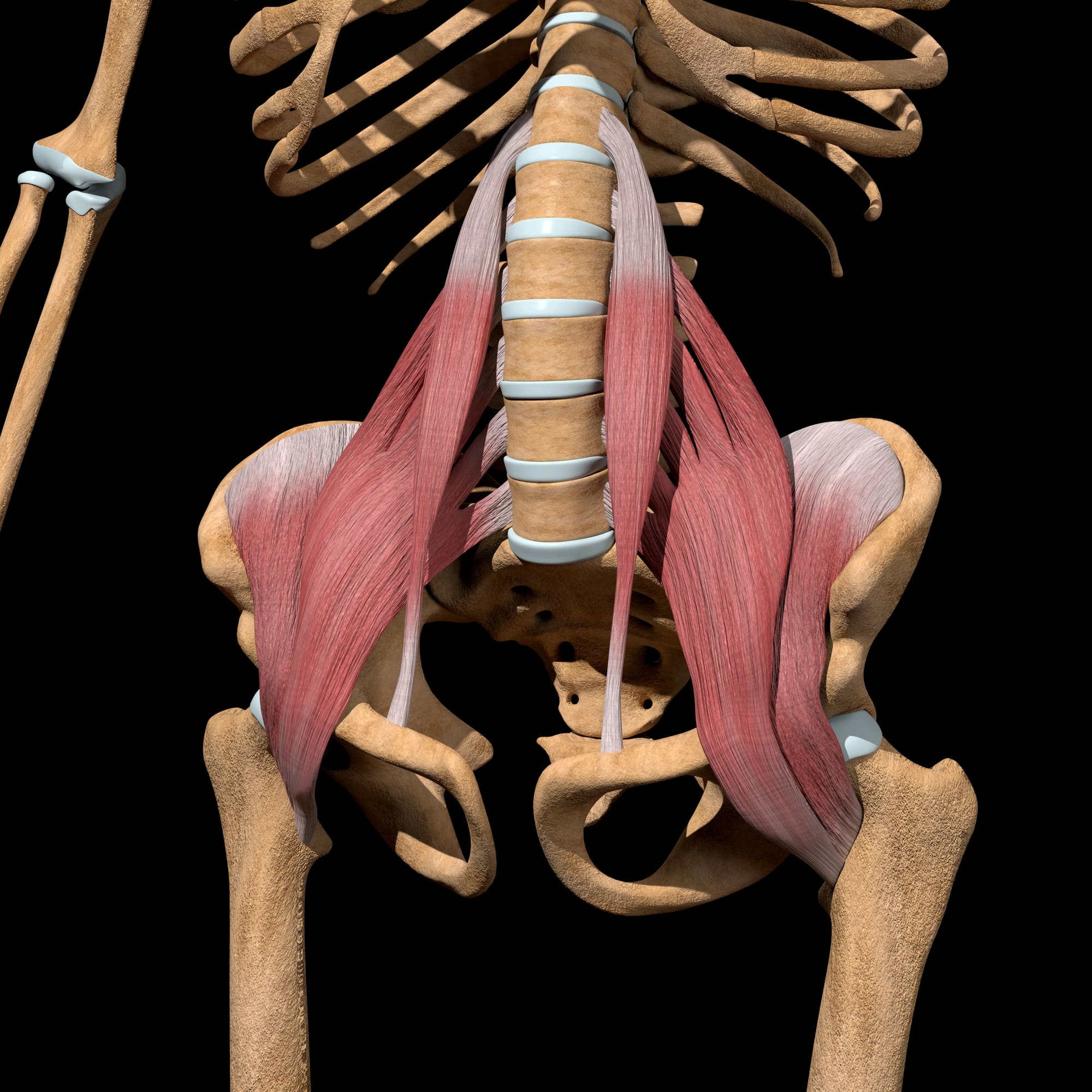
When you sit for long periods without a break, your hip flexor muscles become tighter than usual. The hip flexor muscles are those that help you bring the leg upward towards the chest.
Tight hip flexor muscles are the reason why you feel problems in the hip, such as soreness and stiffness.
Too much sitting may increase neck, shoulder, and low back pain
Poor posture, a characteristic feature of extended sitting, is a well-known cause of neck and shoulder pain. Some studies show that sitting for longer than eight hours a day may increase neck, shoulder, and low back pain. (5)
Too much sitting may increase cartilage loss
The cartilage is a connective tissue that reduces friction between bones when you move a joint. Sitting for too long can negatively impair your cartilage, and hence the joints.
According to a 2025 study in the International Journal of Current Science Research and Review, loss of muscle mass due to prolonged sitting may increase pressure on the cartilage and accelerate damage to the joints. (6)
Too much sitting may increase the risk of low back pain
Sedentariness is a well-known risk factor for low back pain. According to a 2021 review, prolonged sitting time and driving time were linked to higher risk of low back pain in adults, children, and adolescents. (7)
Other factors, such as excess body weight and smoking, can further increase the risk.
How Prolonged Sitting May Affect Your Joints
It is unknown if prolonged sitting directly causes joint pain and stiffness. However, researchers have proposed different mechanisms through which sedentariness may affect joint health.
Effect on inflammation
Extended sitting can trigger the release of inflammatory substances. Over time, it can contribute to chronic inflammation. Chronic inflammation in the joints can damage all parts of a joint, including your bones, cartilage, ligaments, and tendons.
Besides, sedentariness can lead to obesity, which can increase pro-inflammatory substances and decrease anti-inflammatory substances in the blood.
Related: Chronic Inflammation Is Widespread In the UK. Here’s What You Can Do to Keep It At Bay
Effect on the joint fluid
The joint fluid (synovial fluid) is a thick fluid that helps your joints move smoothly. It also nourishes the cartilage and is key to keeping your joints healthy.
The amount of synovial fluid decreases during periods of inactivity. As a result, your joints cannot move as smoothly as they usually do, leading to joint pain and stiffness.
Effect on muscle
Muscle helps joint movement by contracting and relaxing, as needed. However, extended sitting can shorten muscle, leading to joint stiffness.
Practical Tips to Reduce Sitting-Associated Joint Problems
The best thing you can do to your body, for your general health and joint health, is to move. Studies have consistently found that breaking up sedentary time can reduce or even eliminate the health risks of extended sitting. (8,9)
Also Read: 5 Tips to Keep Your Joints Moving, One of the Keys to Maintaining Mobility
The following tips are meant to help you break the sitting time. These are not specific exercises, instead they are small bouts of activity called the “exercise snacks.” They are easy to apply to your daily routine and won’t need you to sweat up.
- Take the stairs instead of the lift.
- Walk while talking on the phone.
- Get up from your desk and walk for a few minutes, preferably once every hour.
- Try walking meetings.
- Consider using a standing desk.
- Don’t forget getting 150 minutes of moderate-intensity activity or 75 minutes of vigorous activity a week.
- Engage in activities you enjoy. It could be swimming, lifting, walking, running, jogging, or simply moving around.
Looking for a supplement to support your joint health? Try Cartonica. It is ideal for anyone looking to support their joints or those who are managing wear and tear from sport, activity or age.
Just 15 mL of Cartonica daily gives you enough joint-supporting nutrients to help protect your joints, support joint cartilage, and support bones.
Frequently Asked Questions
- Is sitting really the new smoking?
Not literally, but sitting can be bad for your health.
Prolonged sitting has been associated with a higher risk of obesity, heart disease, type 2 diabetes, joint pain, and certain cancers. The comparison is more about making people aware of the health risks of sitting rather than a literal one.
- How often should you get up if you sit all day?
There’s no standard guideline about how much you should get if you sit all day. However, a few minutes of walking or stretching every one hour should do the work.
- Can sitting too much cause arthritis?
No. But sitting too much may contribute to risk factors for arthritis, such as chronic inflammation, obesity, and cartilage damage.
- What are the best exercises if you sit all day?
That is a bigger question than space permits. We would recommend finding a physical therapist or a personal trainer who can guide you on all round exercise tailored to you personally your age and your ability.
Having a routine is so important and many people aren’t sure what exercises to do, or how to do them. But a good mix of strengthening and stretching, including working the hip flexor muscles, quads, hamstrings and back, within an overall routine is a good place to start
References:
- Department of Health & Human Services. (n.d.). The dangers of sitting: why sitting is the new smoking. Better Health Channel. https://www.betterhealth.vic.gov.au/health/healthyliving/the-dangers-of-sitting
- Boukabache, Abderrahmane et al. “Prolonged sitting and physical inactivity are associated with limited hip extension: A cross-sectional study.” Musculoskeletal science & practice vol. 51 (2021): 102282. doi:10.1016/j.msksp.2020.102282
- Peacock, A., & Peacock, A. (2024, August 2). Prolonged Sitting: Advice for your Team. Glasgow Council for the Voluntary Sector. https://gcvs.org.uk/prolonged-sitting/
- Bruyère, O., Scott, D., Papaioannou, A. et al. The Impact of Sedentary Behavior and Physical Activity on Bone Health: A Narrative Review from the Rehabilitation Working Group of the International Osteoporosis Foundation. Calcif Tissue Int 116, 109 (2025). https://doi.org/10.1007/s00223-025-01421-6
- Heneghan, Nicola R et al. “What is the effect of prolonged sitting and physical activity on thoracic spine mobility? An observational study of young adults in a UK university setting.” BMJ open vol. 8,5 e019371. 5 May. 2018, doi:10.1136/bmjopen-2017-019371
- Na’im, W. A., Wardani, D. W. S. R., Susianti, S., Saftarina, F., & Angraini, D. I. (2025). The effect of knee injury and sedentary behavior on the incidence of knee osteoarthritis at Muhammadiyah Metro General Hospital. International Journal of Current Science Research and Review, 08(09). https://doi.org/10.47191/ijcsrr/v8-i9-33
- Mahdavi, S. B., Riahi, R., Vahdatpour, B., & Kelishadi, R. (2021). Association between sedentary behavior and low back pain; A systematic review and meta-analysis. Health Promotion Perspectives, 11(4), 393–410. https://doi.org/10.34172/hpp.2021.50
- Benatti, Fabiana Braga, and Mathias Ried-Larsen. “The Effects of Breaking up Prolonged Sitting Time: A Review of Experimental Studies.” Medicine and science in sports and exercise vol. 47,10 (2015): 2053-61. doi:10.1249/MSS.0000000000000654
- Ekelund, U., Steene-Johannessen, J., Brown, W. J., Fagerland, M. W., Owen, N., Powell, K. E., Bauman, A., & Lee, I. (2016). Does physical activity attenuate, or even eliminate, the detrimental association of sitting time with mortality? A harmonised meta-analysis of data from more than 1 million men and women. The Lancet, 388(10051), 1302–1310. https://doi.org/10.1016/s0140-6736(16)30370-1


