

The Old Dog, the Butcher, and the Bits We Leave Behind
I was once told a story about a man, his ageing dog, and a chat with the local butcher. The man was worried because his old dog was struggling to walk and move freely. Wanting to help, he was giving the dog the very best cuts of meat, thinking that the cleaner and leaner the meat, the better it must be.
But the butcher saw it differently. He told the man that the best thing for the dog might not be the prime cuts at all, but the bits most of us trim away: the gristly offcuts, the connective tissue, the skin, the tougher pieces and the fatty edges. So the man gave it a try. Over the next month, he noticed his dog seemed to have a new lease of life.
What struck me about that story was not that we should all start chewing on bits of gristle with our Sunday roast. It was the reminder that, in modern eating, we often choose the neatest and cleanest parts of food and leave behind some of the very parts that nature packaged with it.
Take chicken, for example. Many of us buy skinless chicken breast or boneless, skinless thighs. With beef or lamb, we often cut away the tougher, fattier or more fibrous pieces. Yet those connective tissues are exactly where collagen is found. Collagen is one of the body’s key structural proteins, helping to support skin, tendons, ligaments, cartilage, bones and other connective tissues.
That is also why collagen products are commonly sourced from parts such as bovine hide, chicken cartilage, chicken skin, fish skin or other connective tissues. Different sources can provide different types of collagen, but the broader point is simple: collagen comes from the parts of animals that many modern diets tend to remove, avoid or rarely cook with.
Of course, food should always be the foundation. A balanced diet with enough protein, vitamin C and key minerals gives the body the building blocks it needs to make and maintain its own collagen. But real life is not always perfect. Our food choices, busy routines and modern preferences can mean we do not always get the same range of nutrients people once did from nose-to-tail eating.
That is where supplements can have a place. They are not magic, and they do not replace a good diet, but they can be a useful way to support what we may be missing, especially as we get older and our connective tissues naturally need a little more care.
For me, the story of the old dog is a helpful picture. Sometimes the valuable things are not always the polished, trimmed and familiar parts. Sometimes they are in the offcuts, the tougher bits, and the things we have learned to leave behind. Collagen is a reminder that structure, strength and mobility are built from the inside out and that looking after our connective tissue is one small but important part of staying active, resilient and well as we age.
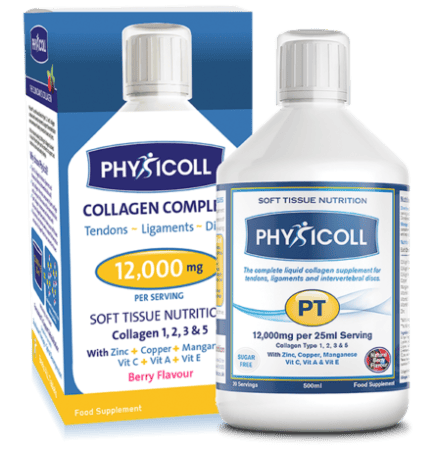
About Physicoll – some of the inspiration for Physicoll came from this story. Physicoll has four types of collagen and 12,000mg per serving, see Physicoll here


