

Boost or Bluff? What the Science Actually Says About Supporting Your Immune System
You can support your immune system by eating a healthy diet, getting enough sleep, managing stress, and exercising. Supplements have their role in immune function, but context matters.
Your immune system is a complex system, not a single entity. Having a balance and harmony between different components of the immune system is key to health.
For example, a weakened immune function can increase your risk of getting infection. But what if you have an excess immune response? Well, it may make you more likely to get allergies or even autoimmune disorders.
So, the idea of boosting or supercharging your immune function is a marketing gimmick? This idea makes no sense in medical science, and similar is the case with the so-called superfoods.
How Does Your Immune System Work?
Your immune system comprises organs, cells, proteins, and other substances. All these work together to keep you protected against disease-causing germs and harmful substances from the environment. Your immune system also plays a key role in healing from injuries and infections.
When your immune system is in balance, it knows the difference between your cells and foreign particles. Moreover, a balanced immune system knows when the threat is gone and when it should end an immune attack.
Certain conditions can cause your immune system to lose this balance. Consequently, you may have problems fighting off foreign microorganisms, react too strongly when such a response is unnecessary, or mistakenly attack your own healthy cells.
Can You Really Support Your Immune System?
The short answer is yes.
There are several things you can do to support your immune system. However, you should never forget that it takes a long time for these measures to protect or support your immune system. In simple terms, there are no shortcuts or magic pills.
Eat a healthy diet
Adequate nutrition is essential for normal immune function. Foods that help support your immune system are vegetables, fruits, lean proteins, nuts, seeds, and whole grains.
Also Read: Why Leafy and Green Vegetables Should Be on Every Plate
Micronutrients, such as vitamins A, D, C, E, B6, and B12, folate, zinc, iron, copper, and selenium, play key roles in almost every stage of immune response. Among these, vitamins C and D and zinc have the strongest evidence for immune support. (1)
You should also limit or avoid ultra-processed foods (UPFs). A higher intake of UPFs has been associated with increased levels of inflammation, potentially indicating dysregulated immune response. (2)
Further Reading: How food processing starves our bodies of nutrients, leaving us feeling run down and tired
Get enough daily sleep
Sleep allows your immune system to have a balance between its tightly regulated functions. Sleep is also necessary for appropriate response to vaccines and less severe symptoms when you get an allergy.
Adequate sleep helps your specialized immune cells to effectively identify and attack disease-causing agents.
On the other hand, if you don’t get seven hours of sleep a night for extended periods, you may be more likely to get infections like the common cold. (3)
You can find NHS-recommended tips to improve sleep hygiene here.
Get regular physical activity
Regular exercise helps improve several components of the immune system. It increases immune cells’ ability to identify foreign particles, reduces systemic inflammation, and lowers the risk of long-term diseases. (4)
Also Read From Our Blog: Chronic Inflammation Is Widespread In the UK. Here’s What You Can Do to Keep It At Bay
For best results, combine aerobic activities like walking and strength training. Stick to the NHS guidelines for physical activity for adults unless your doctor tells you otherwise.
Note: You may have heard that heavy exertion can weaken the immune system. That’s partly true. However, exercise-induced immunosuppression is transient and more likely to occur in sedentary people.
Other lifestyle factors to support your immune system include drinking in moderation (if you choose to drink), quitting smoking, and managing stress.
Debunking Common Immune System Myths
1. An apple a day keeps the doctor away
An apple a day is better than having no fruits at all. However, apples alone cannot do much to support your immune system. Instead, eating a diet rich in varieties of fruits and vegetables can actually help.
2. Supplements can supercharge your immune system
As long as you take a healthy diet, exercise regularly, and get enough sleep, supplements may not be necessary.
Also, you don’t need to supercharge your immune system; an overt immune system can increase the risk of allergies and autoimmune conditions. All you want to do is keep your immune system balanced.
Supplements may be required if you eat a poor diet, have a specific medical condition, or other risk factors. However, eating megadoses of vitamins can sometimes be harmful.
3. Detox drinks cleanse your system and improve immune function
You don’t need a detox drink to flush out toxins from the body. Your liver and kidneys are already there for this job. Do things that keep your liver and kidneys healthy, such as:
- Drink in moderation or quit alcohol
- Drink enough water and fluids
- Don’t overuse pain medications
- Take care when using herbal supplements
- Get vaccinated
- Stay active
- Maintain a healthy weight
- Limit salt intake
A Checklist of What Actually Supports Your Immune System
This is a general checklist of nutrients that help support your immune system.
| Nutrients | Sources |
| Selenium | Brazil nuts, seafood, chicken, and organ meats |
| Zinc | Nuts, whole grains, red meat, seafood, and uncooked oats |
| Folic acid | Green leafy vegetables, fruits, nuts, beans, seafood, eggs, meat, and dairy products |
| Vitamin A | Oily fish, cheese, eggs, liver, green vegetables, fruits |
| Vitamin C | Citrus fruits, peppers, strawberries, brussels sprouts, and potatoes |
| Vitamin E | Hazelnuts, peanuts, almonds, and sunflower seeds |
| Vitamin D | Oily fish, mushrooms, eggs, liver, and red meat |
| Vitamin B12 | Meat, fish, milk, cheese, and eggs |
When to Take Supplements to Support Your Immune System
Supplementation with micronutrients may help keep your immune system competent and reduce the risk of infection. It may help when you don’t get enough nutrients from your diet or when certain conditions cause nutritional deficiencies.
For example, the NHS recommends vitamin D supplementation for all adults, including pregnant and breastfeeding women, during the autumn and winter. Likewise, folic acid is recommended when you are trying to get pregnant or soon as after you realise that you are pregnant.
Several factors can increase the risk of vitamin and mineral deficiencies, such as: (5)
- Smoking
- Heavy drinking
- Crash dieting
- Being a vegetarian or vegan
- Heavy menstrual bleeding (heavy periods)
- Certain food allergies
- Living with medical conditions that affect vitamin and mineral absorption from the digestive tract, such as persistent diarrhoea, coeliac disease, and pancreatitis (inflammation of the pancreas)
Supplementation may be necessary in deficiencies caused by certain medical conditions and/or their treatments. For instance, a doctor may recommend vitamins B, C, and D if you have chronic kidney disease.
Similarly, use of metformin (a diabetes medication) may cause vitamin B12 deficiency, requiring supplementation.
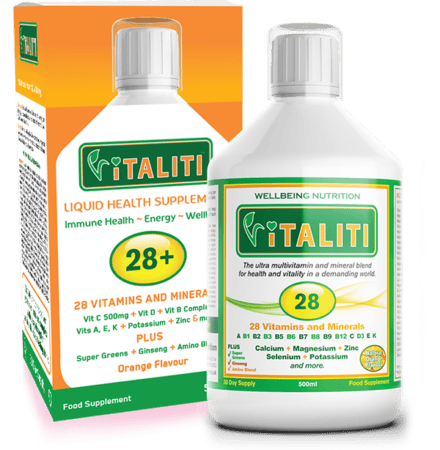
Busy, modern life can leave you deficient in immune-supporting nutrients, no matter how hard you try. Stay energised and support your immune system with ViTALITI high-strength liquid multivitamin supplement. It contains research-backed ingredients with proven benefits in supporting the immune system and increasing energy levels.
Click here to learn more about the product details, ingredients and research, and reviews.

References:
- Gombart AF, Pierre A, Maggini S. A Review of Micronutrients and the Immune System–Working in Harmony to Reduce the Risk of Infection. Nutrients. 2020; 12(1):236. https://doi.org/10.3390/nu12010236
- Awad, Camila et al. “Ultra-Processed Foods and Markers of Systemic Inflammation in Children.” Food science & nutrition vol. 13,9 e70795. 1 Sep. 2025, doi:10.1002/fsn3.70795
- Garbarino, Sergio et al. “Role of sleep deprivation in immune-related disease risk and outcomes.” Communications biology vol. 4,1 1304. 18 Nov. 2021, doi:10.1038/s42003-021-02825-4
- Nieman, David C, and Laurel M Wentz. “The compelling link between physical activity and the body’s defense system.” Journal of sport and health science vol. 8,3 (2019): 201-217. doi:10.1016/j.jshs.2018.09.009
- Department of Health & Human Services. (n.d.-b). Vitamins and minerals. Better Health Channel. https://www.betterhealth.vic.gov.au/health/healthyliving/Vitamins-and-minerals


